Reflections on the new Local Plan: Telford heads north
1) SETTING THE SCENE
Telford and Wrekin Council has been consulting on its draft Local Plan for the period 2020-40. It sets out how they can provide the necessary land for new housing and employment space in the decades ahead, as well as how they plan to conserve and enhance the borough’s existing built and natural environment assets such as its conservation areas (e.g. Wellington centre), its local nature reserves (eg Dothill and Apley) and its strategic landscapes (The Wrekin Forest and The Wealdmoors).
The draft plan identifies potential housing sites around the borough, including hundreds of new homes in Telford Town Centre. Is this enough? I don’t know, but I’m glad to see that housing at some scale is now on the agenda for the Town Centre. For all that people have traditionally winced about talk of Telford as a potential city, that centre would be much more attractive, inviting and sustainable if it looked and felt more like a city centre – rather than an extended retail park. That means welcoming taller buildings that have presence and maximise the space; and residential development that generates footfall and vibrancy for retail and hospitality. Plus, the more housing we can build in Telford Centre, the less we need to find space for in other places. These scenes from other cities are, for me, the sort of thing we should be aspiring to in Telford Town Centre…
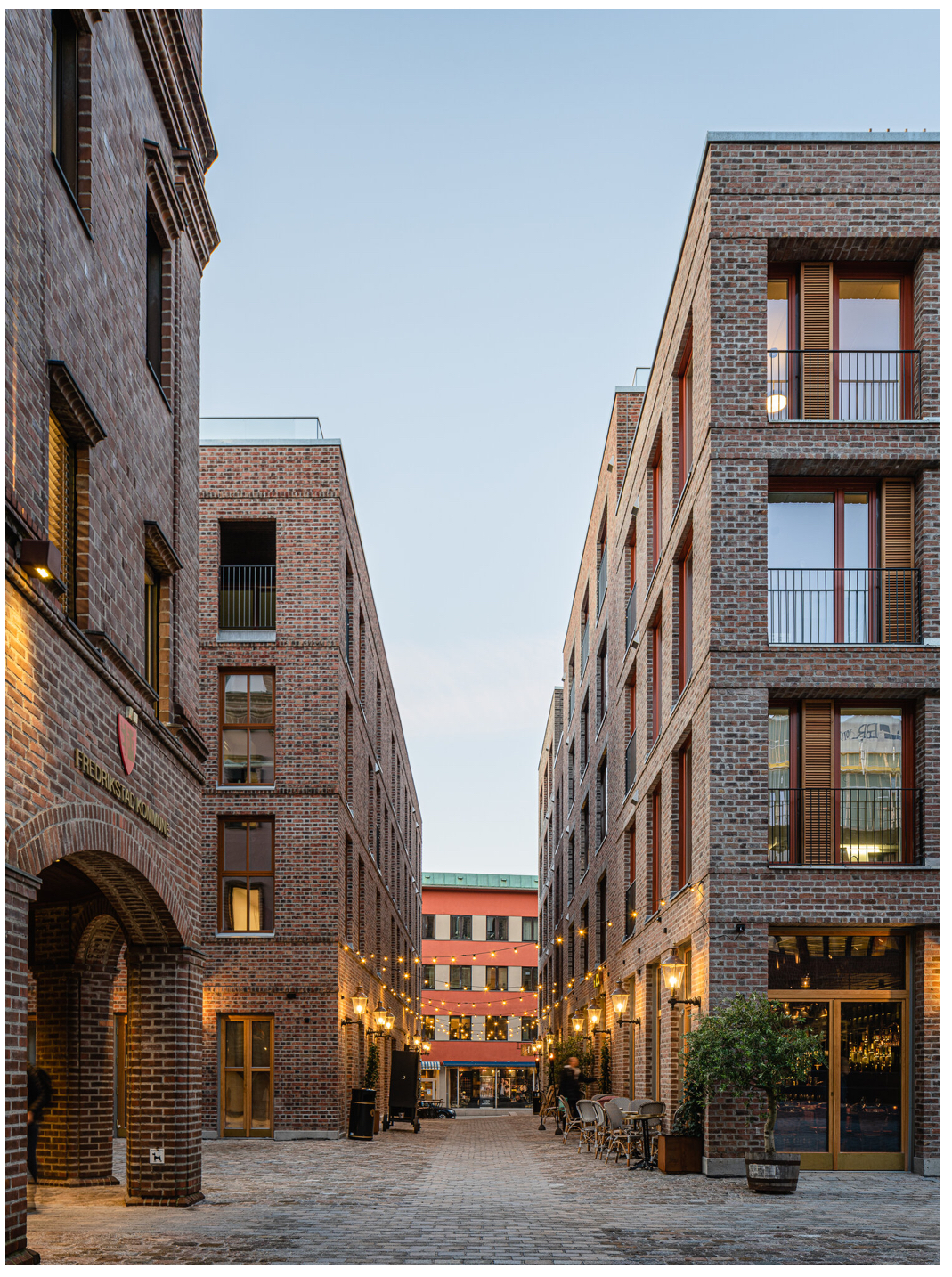
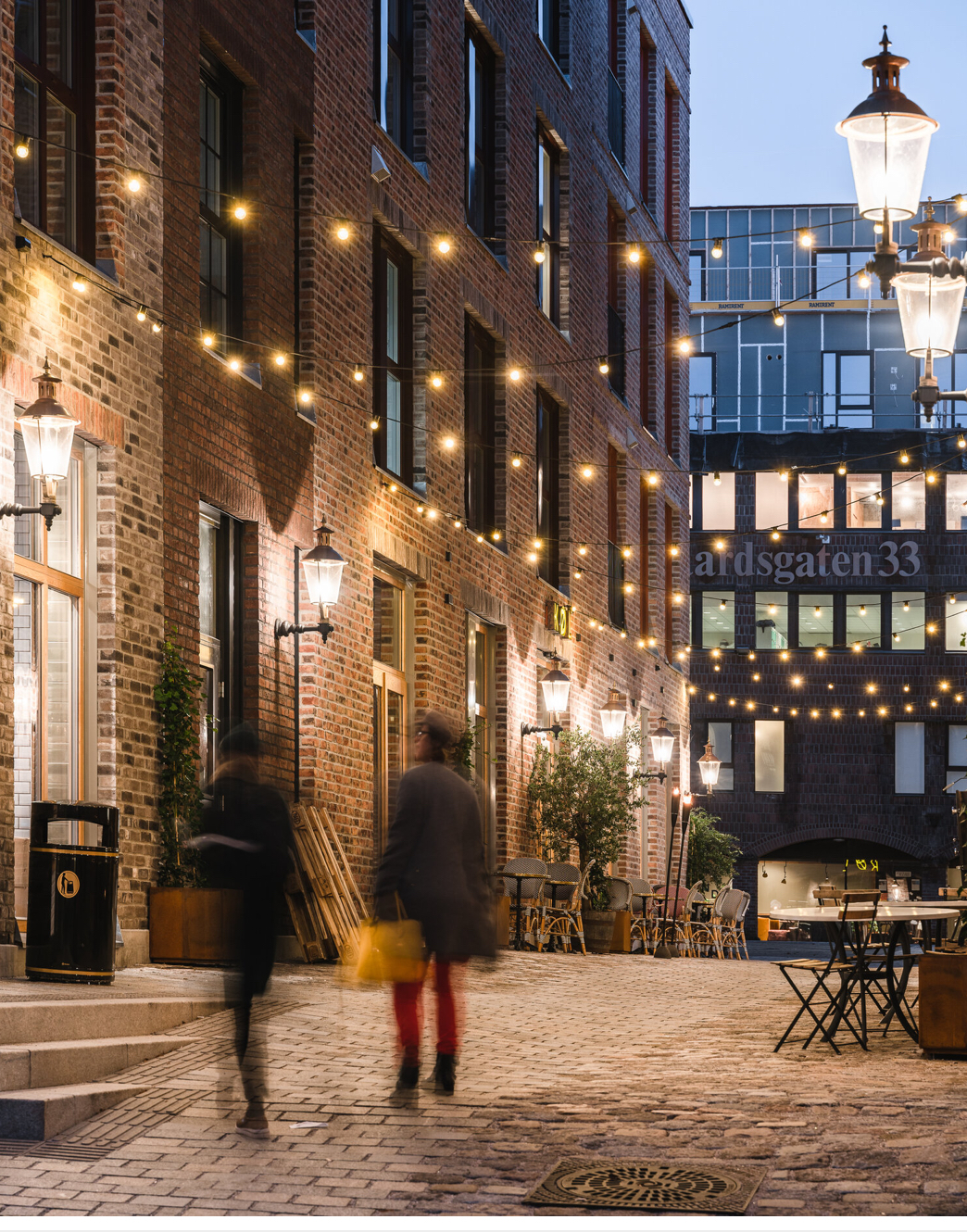
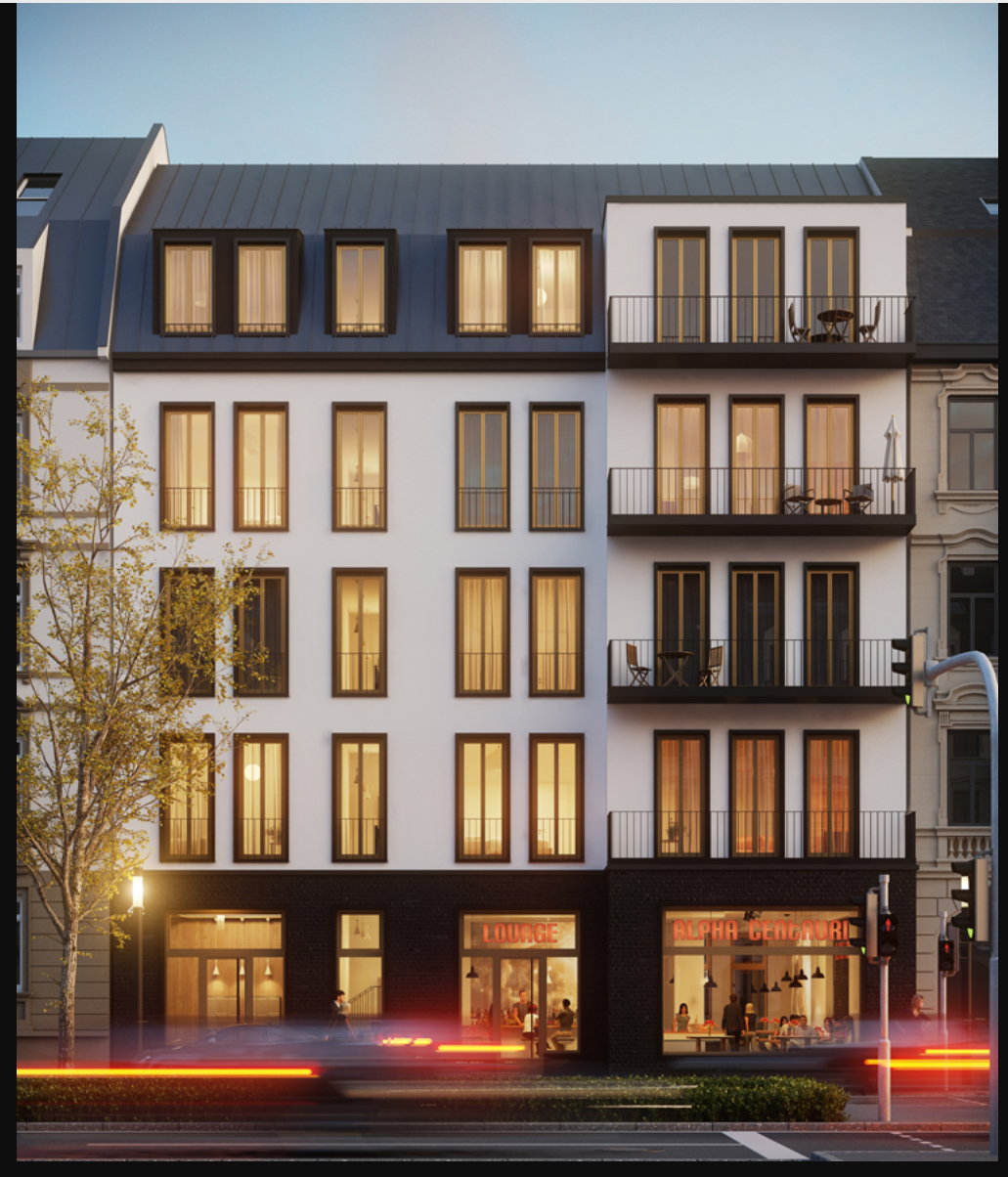
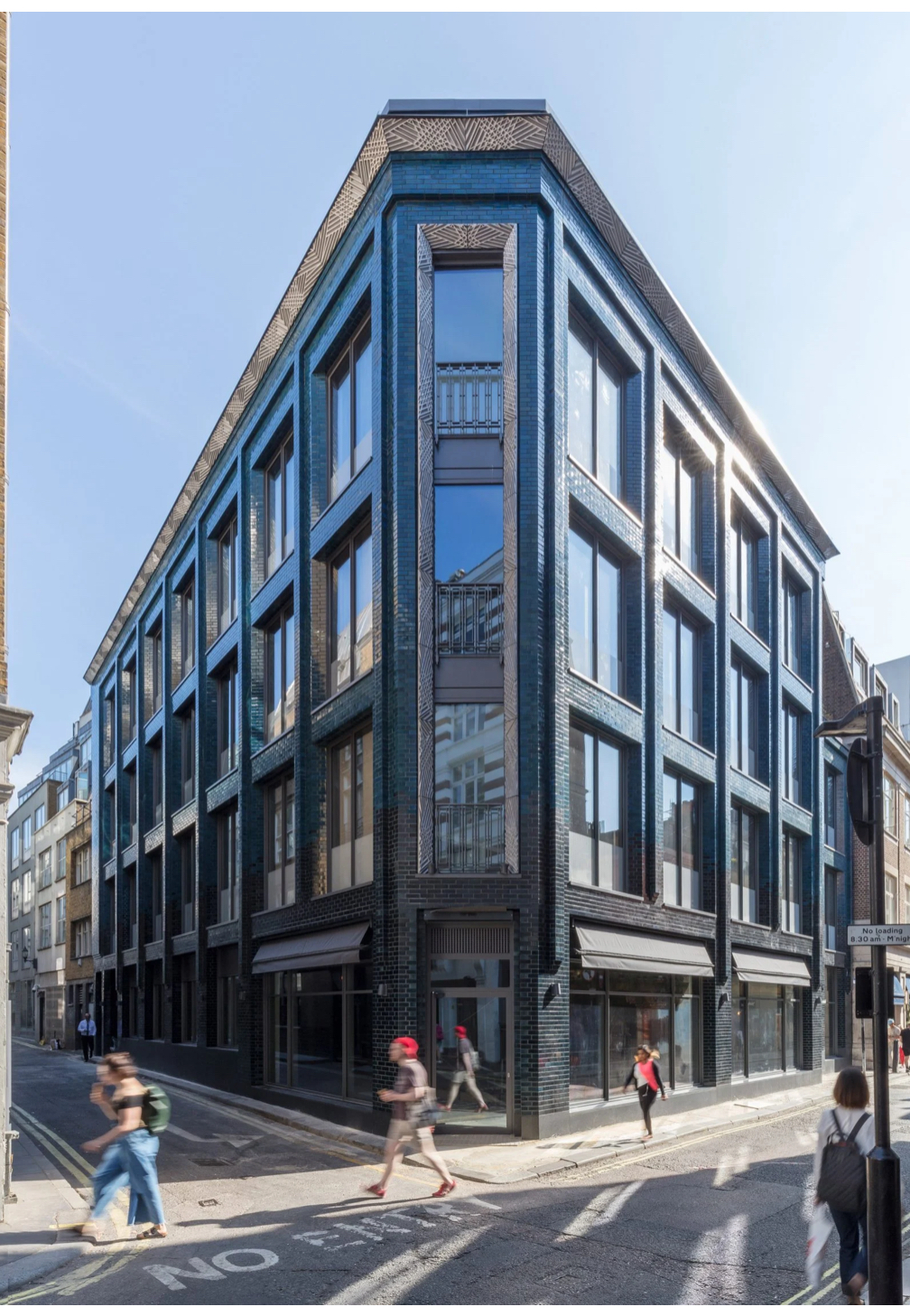
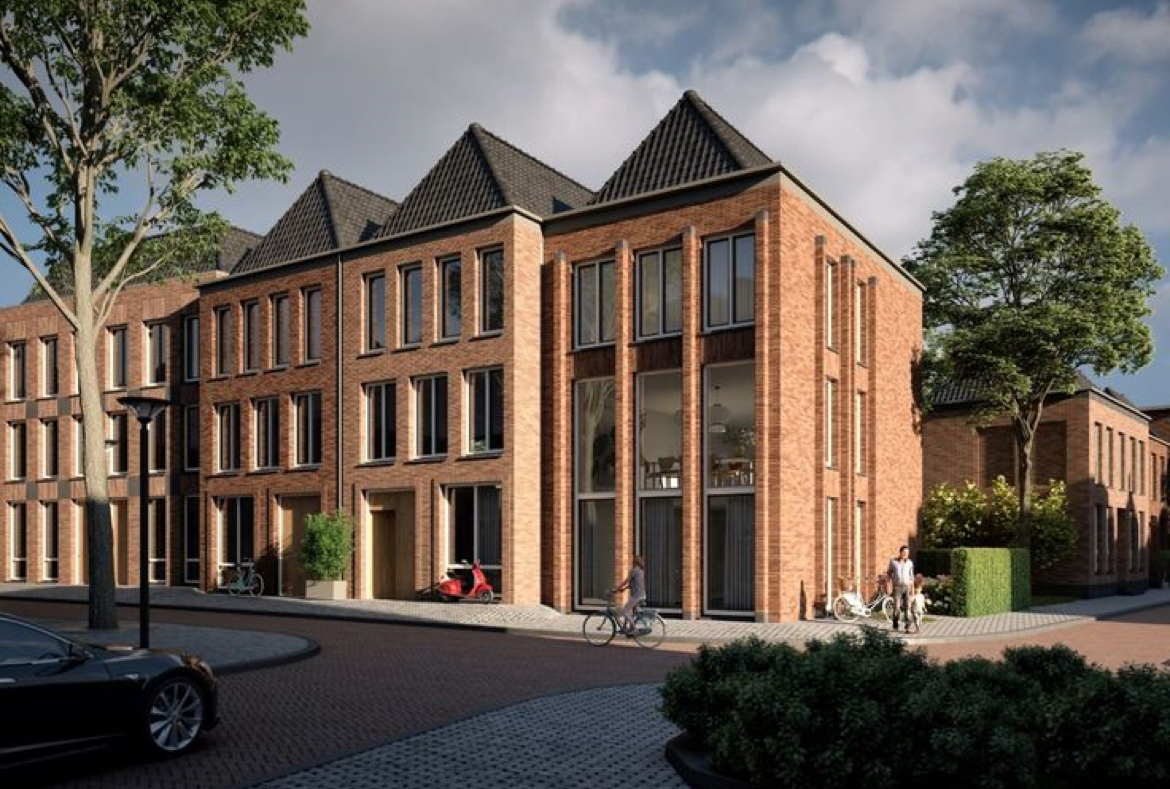
I’d like to see a future Telford Town Centre like this, with more residential units and walkable streets
Which leads us onto the headline story in these proposals: three urban extensions for Bratton and Shawbirch; Wappenshall; and Muxton (see areas marked in yellow on the map below). If they go head these developments will push the developed area of Telford northwards, adding around 8000 homes, four primary schools and 53 hectares of employment land. The first two of these are in areas that can be considered Wellington’s catchment (indeed Shawbirch is part of Wellington parish) so it feels like a relevant subject for a blog post on this website.

2) FACING UP TO THE CHALLENGE
Most of us would rather look out at rolling green countryside than housing estates as we drive along in our cars, go off on a walk or – especially – as we stare out of our own upstairs windows. But England has a housing crisis, so we have to build new homes – and lots of them – somewhere.
New houses shouldn’t be allowed to go up anywhere and everywhere, and some places are so special that they should be protected from large scale new development. But if we all just keep saying ‘put the houses somewhere else’ then the problem keeps getting bigger. And for each area we protect from new development, another area will need to absorb more. We can’t preserve everywhere.
‘But what about protecting productive farmland? We need to grow our own food!’
Yes we do. But does this cancel out the need for new houses? No. And you can fit a lot of houses onto a fairly small area of farmland. The yellow sections on the map above will accommodate about 8000 homes as well as employment land without greatly changing Telford’s urban boundary within the wider borough.
‘But we keep destroying nature! What about the environment?’
Again, both things can be true – we need to protect the environment and we need to house people. One can’t cancel out the other, we need to do both. In any case, because farmland tends not to be great for biodiversity, building a bunch of houses with gardens and habitat-rich green spaces between them can actually deliver an environmental gain overall (the Wappenshall masterplan suggests a 10% net gain will be achieved).
So I don’t have much sympathy people people who just say ‘we don’t need more houses around here.’ Because an awful lot of people do need houses. I have even less sympathy for anyone implying that council officers and councillors creating these plans do so through cynicism or greed or selfishness. Every council in this country has a responsibility to allocate a reasonable amount of land for future development – if they do not, they are failing us, especially the young and the less well-off. And if you don’t see that then I’m afraid you’re part of the problem.
3) IN DEFENCE OF URBAN EXTENSIONS
‘But what about services? We can’t just keep building houses – we need schools, health services, transport…’
This argument I DO have sympathy with, especially at a time when so much of the nation’s existing infrastructure seems so under pressure. And that’s exactly why we should be positive about the principle of large urban extensions rather than the incremental development of individual housing estates here and there. Because with urban extensions you get an opportunity to design-in that wider infrastructure – to consider what a whole neighbourhood could and should be like; to create public green spaces; to build schools; to build a few local shops and a GP practice. You get chance to think about where the local centre will be; what the routes within the neighbourhood and into other areas will be; to think about how to forge an identity and sense of place. That’s not to say these things always happen as well as they should with an urban extension, but at least we get a fighting chance.
4) LOCATION, LOCATION, LOCATION
I’ve seen some councillors on Facebook writing about how this whole proposal represents an attack on rural communities. It will eat into farmland, yes. And if I was living in a home which I cherished for its rural character, only to realise it’ll one day be surrounded by housing, I’d be justifiably miffed. But if we accept that new housing is essential, and if we agree that building at scale through properly master-planned urban extensions makes sense, then the question is not WHETHER we should build them but only WHERE. So are these particular locations the right ones?
Well, if we look again at that map of the borough it becomes pretty obvious that when Telford expands, this is where the expansion will happen. To the east is the Shropshire Council area and designated green belt acting as a buffer between Telford and Shifnal. To the south is the Ironbridge Gorge and another Shropshire Council boundary. To the west is the strategically significant landscape of the Wrekin Forest and, above that, the conservation area of Wrockwardine, sitting on its isolated hilltop (a view I expect will be protected for decades to come and hopefully for ever). With the Lawley, Lightmoor and Ketley areas now developed, there is pretty much nowhere else for large-scale developments to go except north with its flat, open farmland and the A442 / Queensway providing decent road access. That’s a shame for those who currently live in those areas and who love their rural location, but it was probably always going to happen eventually.
5) DESIGNING COMMUNITIES, NOT JUST BUILDING HOUSES
I’m fascinated by architecture and urban design, and how getting these things right – in existing and new communities – can enhance and nurture sense of place. One of the reasons people are so against new development is that it is often so poorly executed. So I always think it’s a shame when the local energy which (understandably) goes into opposing schemes doesn’t then translate into local energy to help shape the plans themselves in order to make them better.
This, again, is another reason to be positive about urban extensions. Their scale means there is usually more scope for genuine community engagement with residents working alongside developers and designers to look at layout and amenities. This happened both at Ketley’s Millennium Community and Lawley, for instance. Lawley in particular, I think, is a relative success story in terms of how it has managed to create character, identity and distinctive pockets of development within a wider neighbourhood.
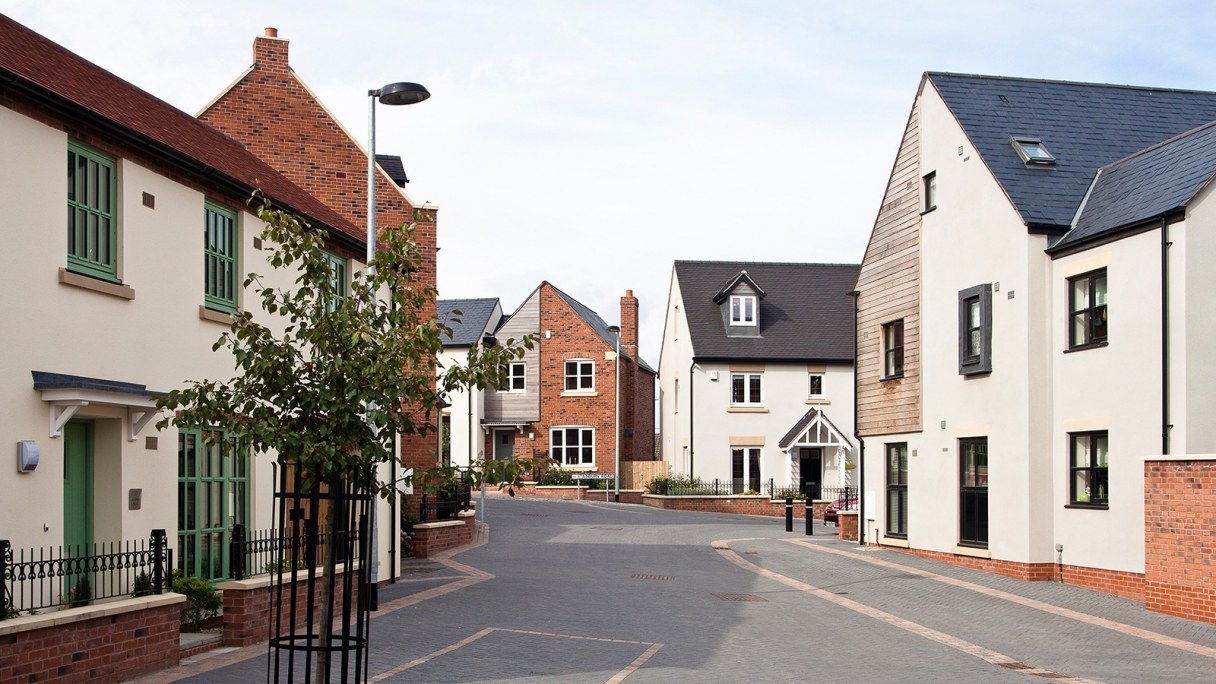
Streetscene at Lawley, inspired by the intimacy and irregular lines of traditional Shropshire villages
At this stage there isn’t much detail in the urban extension plans, but here are some thoughts on what’s there so far…
Bratton Green
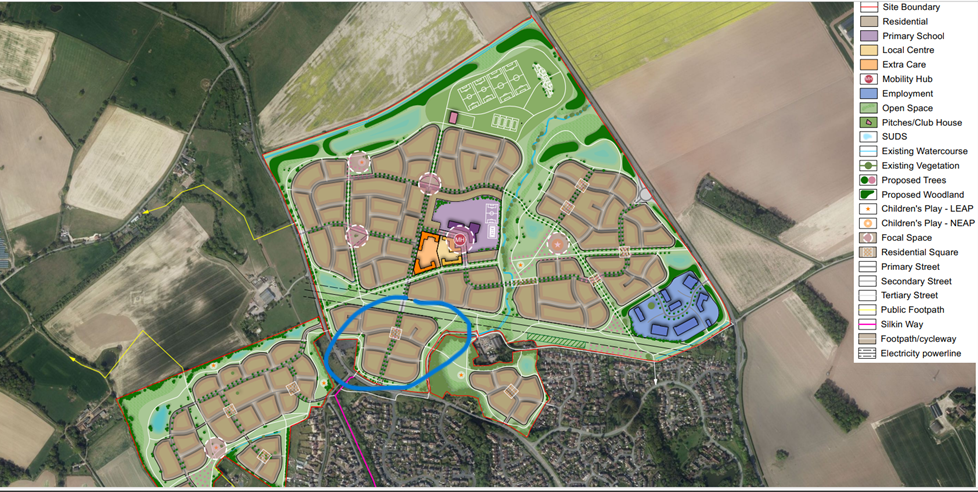
Green space: It’s good to see that the master plan makes a feature of the Beanhill Brook, and with what look like some generous green areas either side of it. This will help to break up the scale of the housing development with the eastern part feeling more like an extension to Shawbirch and the larger western side an extension to Bratton. It will also extend the existing walking route along the brook that runs parallel to Brandon Avenue before traversing the Admaston Road and linking into the Dothill Nature Reserve.
The positioning of the playing fields at the north east of the site, alongside the A442, will soften the boundary between the developed area and the countryside – which makes sense – though another option could be to swap this with the body of housing between Bratton Lane and the B5063 – circled in blue – behind The (long derelict) Gate pub. If the playing fields were located here instead it would make them more accessible to existing Bratton and Shawbirch residents (who have no playing fields close by) and would also create a generous ‘village green’ area between a restored Gate pub and Bratton Farm – the only two historic properties within / abutting the development area east of Bratton Road.
Character and creating sense of place: Most of this will come at a later stage as building designs are developed (ideally via a design code that sets a high standard) and details of the green spaces firmed-up. But one thing we can think about now is how the overall site layout can make the most of those only two heritage buildings – The Gate and Bratton Farm. In the midst of big new developments like this, those few echoes of something older can be hugely important in creating a feeling of rootedness and continuity. That’s why it is such a shame when buildings like The Cheshire Cheese at Doseley disappear – they are often the last link to something older. The Gate has been derelict for over a decade now, and I suspect at risk of demolition, but in the context of this new Bratton Green development it could be a valuable historic asset – everyone loves having an old village pub on their doorstep – and a psychological connection to the area’s history.
Wappenshall
The masterplan for Wappenshall covers a much bigger area than that for Bratton but delivers fewer homes per hectare (12.4 compared to 18.5 for Bratton). That appears to be because the Wappenshall plan also includes a big chunk of employment land (near the Shawbirch island) and a fairly generous amount of green space interspersed between the housing – which is welcome.
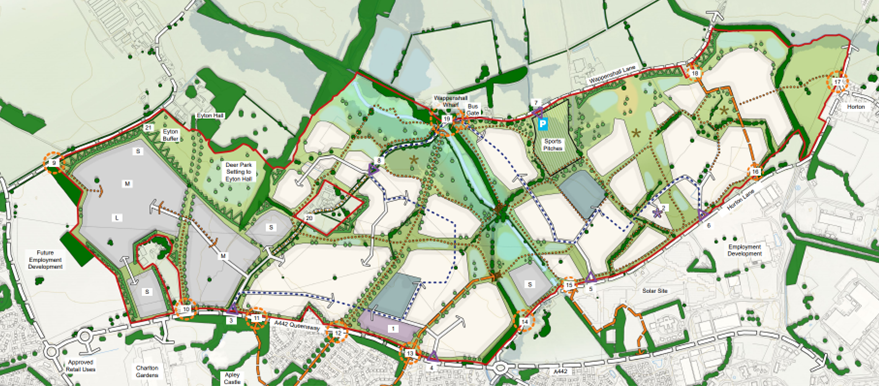
Protecting existing places: I’ll be sad to see this part of the Telford boundary pushed north – elements of this landscape feel more distinctive and the loss arguably greater than at Bratton. It looks like Wappenshall Lane will become a main route into the south of the site so it will presumably need widening and that landscape lost. But as per my introduction to this article, we can’t preserve everything.
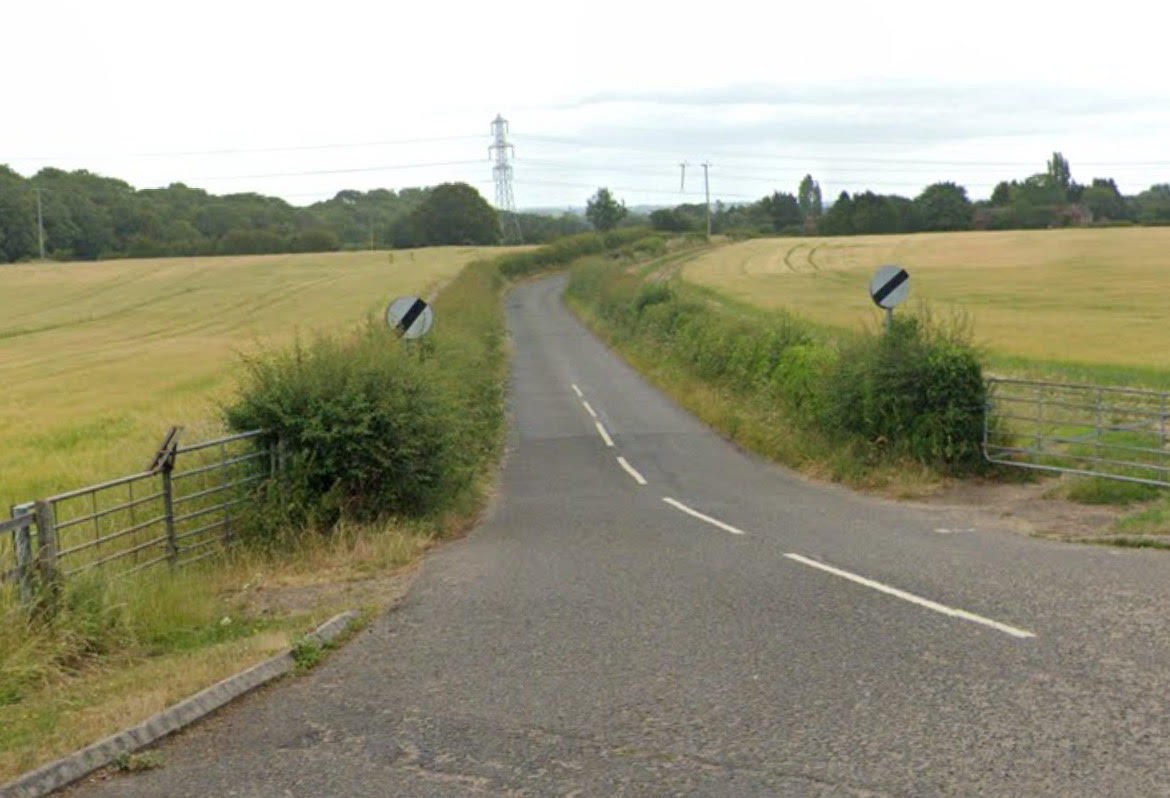
Entrance to Wappenshall Lane from Queensway
I’m also mindful that the hamlet of Eyton feels like a unique settlement in the borough, with its hall and its church and its single thread of houses. The masterplan proposes creating green buffers to protect Eyton’s setting, but I can’t help thinking it’s a shame that the approach to the village along The Duke’s Drive will now by flanked on one side by a sizeable industrial estate of some kind. I wonder if well-designed housing on this western side of the Wappenshall site on the Eyton approach would be preferrable, with the employment land instead located somewhere to the east, closer to the existing Horton Wood industrial estates. I suppose the idea is to spread things around a bit and perhaps a greater concentration of housing at the western end would increase pressure on those roads (as 44 hectares of housing would probably generate more traffic at peak times than 44 hectares of employment land).
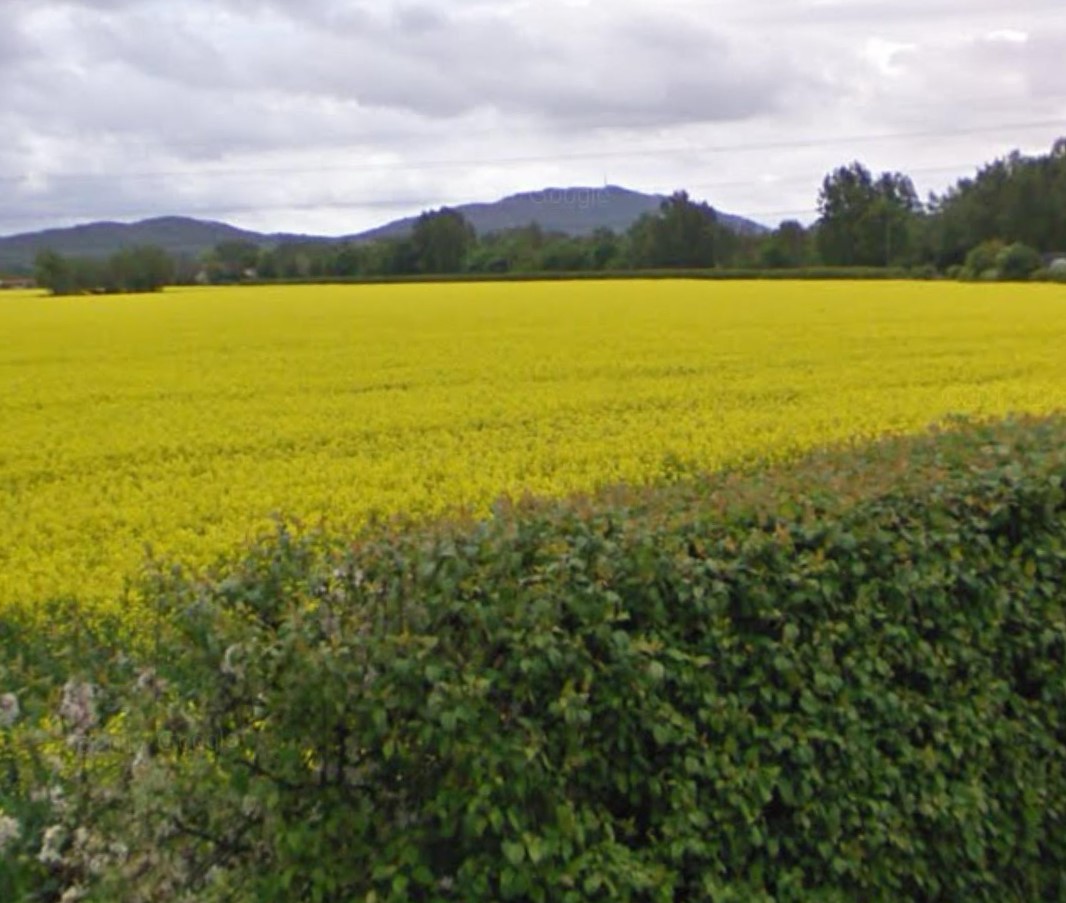
Approach to Eyton along The Duke’s Drive
Wappenshall Wharf: my favourite thing about this masterplan is the use of the historic Wappenshall Wharf as a focal point, with green walking and cycles routes connecting it into not only the new housing but existing communities at Horton and Apley – and thus, in turn, other parts of North Telford too. One proposed route to the Wharf from Queensway, for instance, will be wholly for pedestrians and cyclists, extending the existing avenue of trees from the old Apley estate over the road.
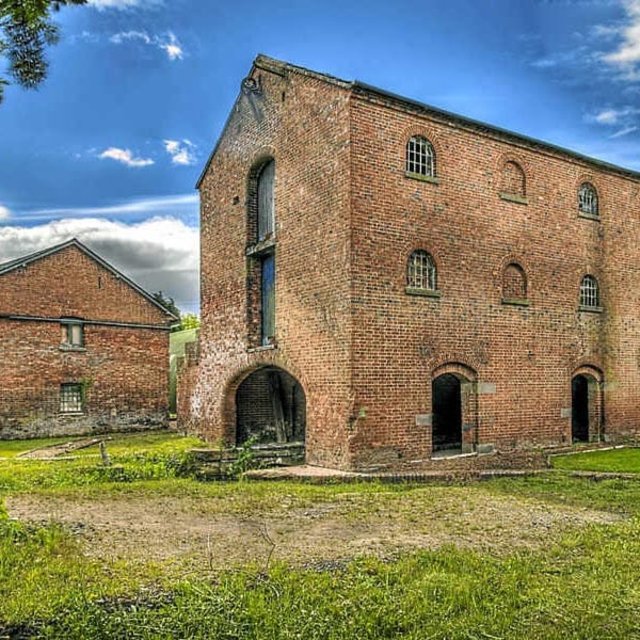
This use of the Wharf is a good example of how new development can open up access to something that already exists – the Wharf was bought by the council back in 2008 and the volunteers of the Shrewsbury and Newport Canal Trust have been diligently working on it ever since, but I expect very few people locally know about it or could find it on a map. The proposed new urban extension would mean that the Wharf loses its glorious rural isolation, but it will open up walking and cycling routes to the site and aid its long-term viability. Also – to pick up on the point above – it will help to give those living in this brand new community something historic and distinctive to feel connected to and to take pride in.
Perhaps the presence of the Wharf can also serve as inspiration for housing design in that part of the development, with a style that consciously takes elements from industrial and canal buildings.
Green corridors and pub walks: Looking at both the Bratton Green and Wappenshall masterplans, we can see how existing walking and cycling routes – the ‘green corridors’ considered one of early-phase Telford’s successes – could be extended by these new developments. Based on the current masterplans I can imagine, for instance, a summer afternoon walk that starts with lunch at The Queen’s at Horton, includes a pit stop at Wappenshall Wharf, continues down the new tree-lined avenue to Apley Woods, crosses over into Dothill Nature Reserve, squeezes in another pint at The Pheasant in Admaston and ends up at The (restored) Gate at Bratton.
So whilst its true that some currently quiet and rural routes will be gone for ever – and that is a loss – these urban extensions could serve to elongate and join-up and newly create routes for the benefit of more people. With streets of new housing never far away, these aren’t going to be the sort of bracing country walks through picture postcard scenery that attract tourists, but they will enhance the daily lives of existing as well as future residents and help to make these truly pleasant places to live.
6) IN CONCLUSION…
- Let’s be positive about new residential development at Telford Town Centre. Building upwards – if we do it well – can provide attractive urban living for people of all ages; will make Telford Centre more architecturally interesting as well as economically and socially vibrant; and will reduce pressure for development elsewhere in the borough.
- Let’s be positive about sustainable urban extensions – they give us a much better chance of creating real, fully-functioning neighbourhoods (along with the infrastructure they need) than the sort of one-off housing developments which undermined sense of place and ramped up car-reliance in earlier phases of Telford’s development.
- Putting two of these three proposed urban extensions at Bratton and Wappenshall probably makes sense in the context of what land is available, regrettable as that might be for people currently living in those rural areas which are going to change so much as a result. If I could change one big thing it might be the siting of so much employment land at the A442 / Queensway junction as it will impact that open landscape that surrounds Eyton village – but I can see the logic, considering its accessibility via these two major roads.
- The proposals for connected green spaces, walking and cycling routes and the celebration of the historic Wappenshall Wharf are all things to be positive about. A rethink of the Bratton playing fields could make them more accessible to more residents as well as creating a generous ‘village green’ area connecting Bratton’s current and future housing, whilst also enhancing the setting of The Gate pub and Bratton Farm. Or, if the plans remains as they are now, perhaps the design of housing in that central part of the Bratton development can aim to create a real village vibe and an attractive, distinctive focal point for the whole neighbourhood.
- Beyond that, the devil will be in the detail. So, let’s aim high and if these big developments go ahead, let’s get local people involved with the design work from an early stage. And let’s follow the best current design principles so that we’re building attractive, interesting, characterful places that people can be proud to call home – not just more housing estates.
IMAGE CREDITS for gallery 1 on Telford Centre of the future: Nygaardsplassen by Mad architects (Kyrre Sundal, via Pinterest); Wohnhaus in der Stadt (Scheinbar Real on Behance, via Pinterest); Damien Hirst’s studio by Stiff + Trevillion (Dezeen, via Pinterest); INBO architects via Pinterest